News & Blog

Blog

  • Building Autonomous Markets That Can Survive Quantum Disruption

    A device that can pay is no longer just a device. The moment a sensor, charger, robot, or meter can initiate and settle a financial transaction on its own, it becomes part of an economy. Not a symbolic one, but a real economic network where value moves without human approval. This shift is quietly reshaping […]
  • The Problem With Smart Devices That Can’t Spend Money

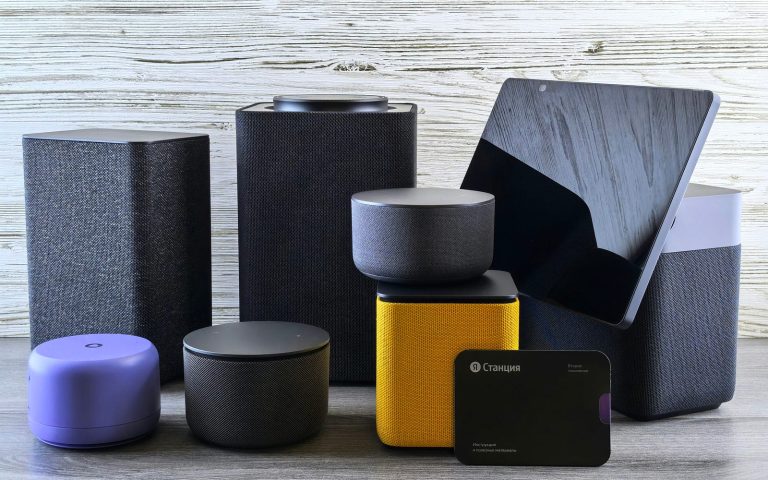
    Your thermostat knows electricity costs three times more at 6 PM than it does at 2 AM. Your solar panels are generating more power than you need right now. Your neighbor’s electric car needs a charge and your battery has excess capacity to sell. But nothing happens. Your devices sit there with perfect information, optimal […]

  • Giving AI True Autonomy

    Everywhere you look, intelligent systems are learning to make decisions faster than humans ever could. They forecast energy demand, optimize logistics, and even negotiate supply contracts. Yet, despite all this intelligence, they remain tethered to us. They can think, but they can’t act. They can recommend, but they can’t pay. They’re dependent on human approval […]

  • Machines That Pay, Machines That Decide

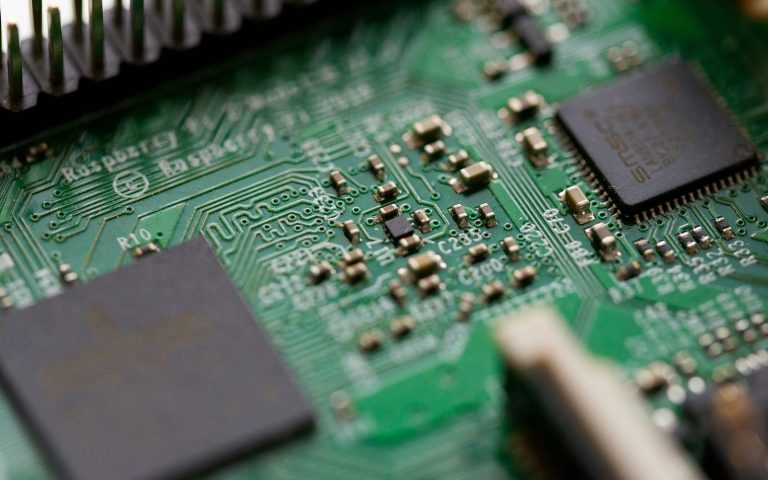
    A quiet shift is underway across global infrastructure. Power meters buy and sell energy on their own. Vehicles negotiate for charging and pay without drivers touching a screen. Sensors exchange data directly with buyers in real time. These systems are no longer passive endpoints. They are economic agents. Platforms like SEALCOIN are being built specifically […]

Newsletter

Get the next release in your inbox

One email a month on SEALCOIN releases, PQC milestones and the machine economy.

Stay close to the machine economy

Product releases, PQC milestones and ecosystem news from SEALCOIN. Roughly once a month.

You bring the business layer. We provide the trust layer.

Tell us about your devices, agents or marketplace. The SEALCOIN team replies within a few working days.

SEALCOIN Whitepaper

Open the PDF